
NEW YORK CITY
The Transfer School Institute: Agency, Engagement, and Competency
NYC’s Office of Postsecondary Readiness, reDesign, and Eskolta partnered to design an intensive new model of professional learning for educators who work with historically excluded “overage and under-credited” students in the city’s ground-breaking model of Transfer High Schools.
30+ school teams joined a robust, multi-year Community of Practice where they developed strategic plans; participated in seminars and conferences; received intensive, job-embedded coaching; attended learning tours at model schools; and collaborated to revise policies and develop new policies and systems.
NEW YORK CITY
The Transfer School Institute: Agency, Engagement, and Competency
NYC’s Office of Postsecondary Readiness, reDesign, and Eskolta partnered to design an intensive new model of professional learning for educators who work with historically excluded “overage and under-credited” students in the city’s ground-breaking model of Transfer High Schools.
30+ school teams joined a robust, multi-year Community of Practice where they developed strategic plans; participated in seminars and conferences; received intensive, job-embedded coaching; attended learning tours at model schools; and collaborated to revise policies and develop new policies and systems.
North Queens Community High School
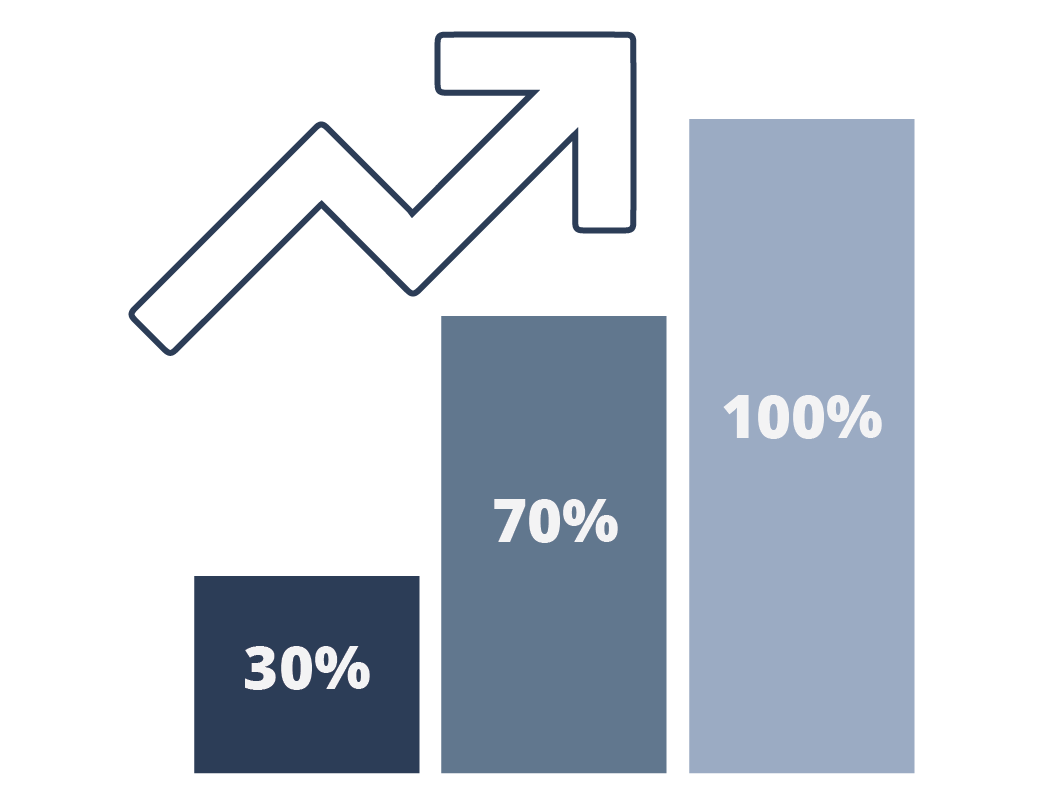
How do you turn around math scores?
The staff at North Queens Community High School looked at their students’ low math exam scores and decided they needed to try something new. Studying cognitive psychology on persistence and self-efficacy led them to shift classroom practice, coupling strengths-based mindset coaching with a few key quantitative reasoning strategies. Their hunch that this would yield deeper engagement, which in turn, would result in higher exam scores paid off.
Over the course of four years, student passing rates on the statewide math Regents exams soared.
Bronx Haven High School
When teachers decided to dedicate more class time for feedback and revisions it felt risky. What if taking time away from covering content initially led scores on the Regents exams to drop? What actually happened? Scores improved. In every content area. For 3 years in a row.
Perhaps more importantly, students who once avoided feedback now seek it out, undertaking revisions in order to develop crucial academic skills.
%
IN ENGLISH
%
IN US HISTORY
%
IN ALGEBRA
%
IN SCIENCE
Bronx Arena High School
There are many ways one might describe Bronx Arena High School. Competency-based. Asynchronous. Blended. Learner-centered.
By design and in practice, the principles of positive youth development is the axis of Bronx Arena’s school model. What has emerged is a place where students feel a profound sense of belonging and connection; a place of possibility and of growing agency over one’s pathway to graduation and beyond; and a place in which a remarkable balance is struck between structure and flexibility, between autonomy and shared responsibility.
Over 3-years, 62% of Bronx Arena’s overage students graduated and enrolled in college. Compare that to New York City’s 20% high school graduation rate for the same student population at other city schools. Once at college, 82% of Bronx Arena’s graduates persisted beyond their first year-the typical persistence rate for historically excluded, overage students is 30%.