• SUBSCRIBE TO OUR NEWSLETTER
0 Items
reDesign
  • SERVICES
    • CASE STUDIES
  • FUTURE9
  • CBE CATALYST
    • CBE Resource Hub
    • Webinar Series
  • ABOUT US
  • Contact
  • LOGIN
Select Page
From the State House to the Classroom: How Policymakers Can Help Bring Competency-Based Education Into Reality

From the State House to the Classroom: How Policymakers Can Help Bring Competency-Based Education Into Reality

by Laura Gutmann | Sep 19, 2023 | Article, Blog, Competency-based Learning, News and Announcements

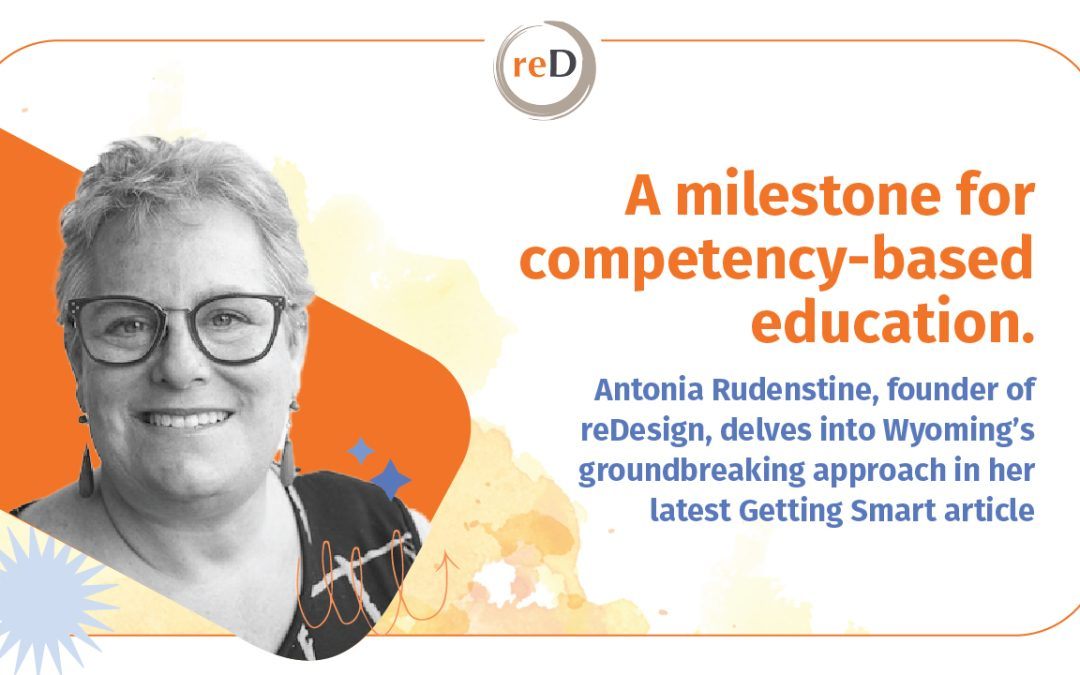
Education leaders in Wyoming recently collaborated to transform the state’s education system with a competency-based approach to teaching, bringing together policy makers and education leaders from both K-12 and higher education. reDesign founder Antonia Rudenstine...
Have you heard? We’ve got a new Insights page!

Have you heard? We’ve got a new Insights page!

by Laura Gutmann | Aug 16, 2023 | Blog, News and Announcements

Check out our August 2023 newsletter to learn all about the features of our refreshed Insights page, our SXSW proposal, and our fall presentations at the Aurora Institute annual conference – including by our Youth Advisors! Click on the image below to read more....
reDesign Announces Third Annual Youth Advisory Council

reDesign Announces Third Annual Youth Advisory Council

by Laura Gutmann | Mar 8, 2023 | Blog, Learner-centered Communities, Media, News and Announcements, Youth Voices

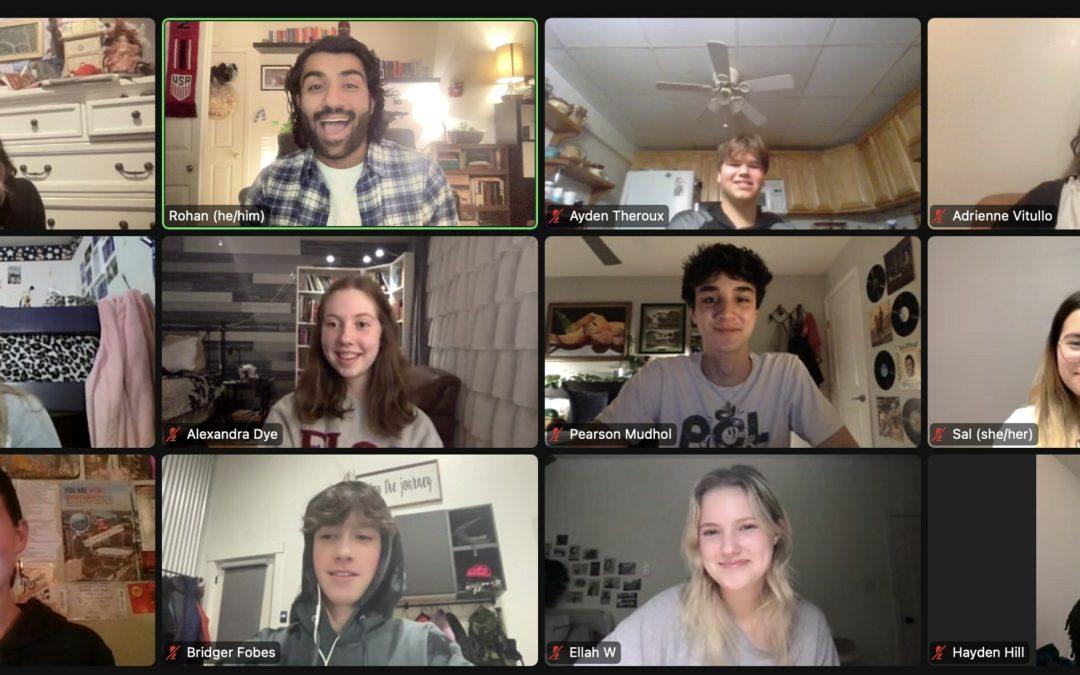
AUSTIN, Texas, March 8, 2023 /PRNewswire/ — reDesign, an education design lab committed to building inclusive, learner-centered communities, today announced from the SXSW EDU conference, their student cohort for the 2023 Youth Advisory Council. An integral part...
Application is open – join our user feedback group!

Application is open – join our user feedback group!

by Laura Gutmann | Mar 5, 2023 | Blog, News and Announcements

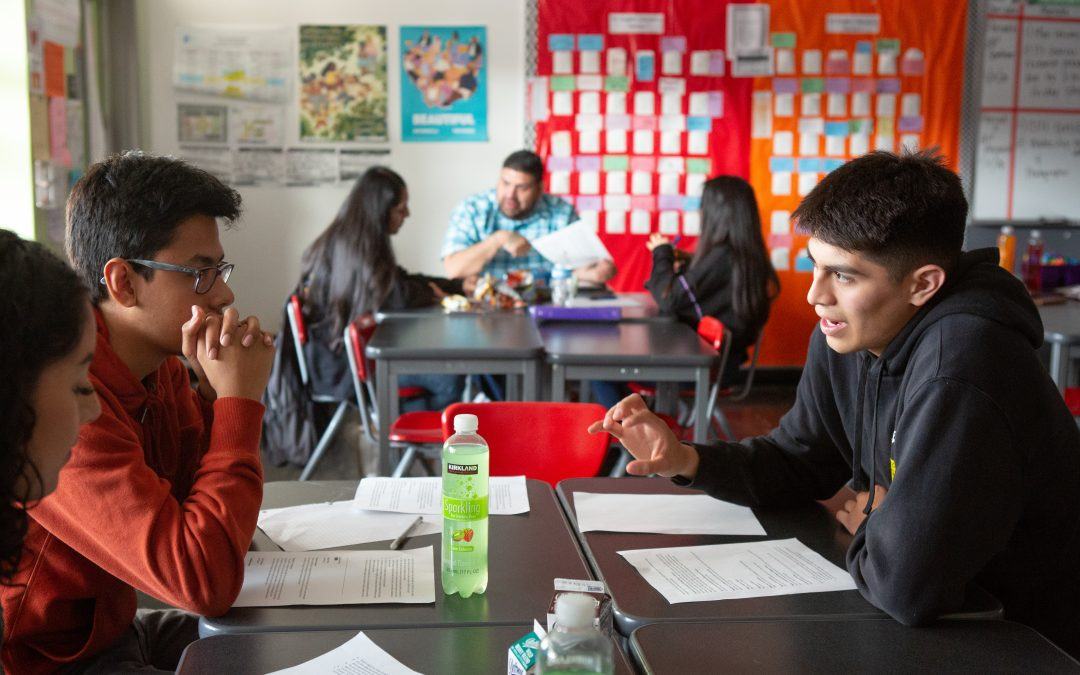
Check out this 2023 opportunity to join our reDesign User Feedback Group or to pilot our newest curriculum & assessment designs in your district or state!  Calling all educators and leaders to click on the image below to learn more and apply. To learn more about...
Joy, inspiration, and reflections on the future of learning

Joy, inspiration, and reflections on the future of learning

by Laura Gutmann | Dec 19, 2022 | Blog, News and Announcements

Click to read reflections on 2022 from our Creative Director and co-founder Antonia Rudenstine as we head into the new year! To learn more about reDesign’s approach to resource design that reimagines what educational communities can look like, check out our conceptual...
« Older Entries
Next Entries »

Author

Laura Gutmann
Lead Researcher & Storyteller

Tags

Adult DevelopmentCBLcompetency-based learningLearner-centered Communities
pedagogy

reDesign logo reDesign

Company

  • About
  • Contact

Solutions

  • CBE Catalyst
  • Future9 Competencies
  • Partnerships

Resources

  • CBE Blueprint & Roadmap
  • Resource Hub
  • Shift Series Webinars

Stay in touch

Get monthly insights

We respect your inbox. Unsubscribe anytime.

© reDesign. All rights reserved.
Privacy Policy
Competency Framework

The design of the framework was stakeholder driven, resulting in a holistic, student-centered approach to personalized competency development. There are several publicly available resources for exploring the end result, including competency tours, in-depth and summary versions of the PSCG Competency Framework, and “First Steps: A Teacher’s Guide to Competency Implementation”.

Melrose High School

The Melrose High School team identified 3 anchor questions: How can assessments best serve student learning? What do we want our students to leave with? How can students drive and discuss their learning? Guided by these, they developed an integrated approach to 21st century grading that fosters equity by: (1) Supporting students’ Habits of Learning, across the academic program (2) Increasing accuracy and transparency in grading; (3) Developing new policies for Retaking and Revising Assessments, and establishing a minimum grade of 50%; (4) Proactively communicating; (5) Explicitly nurturing student voice; and (6) Adopting universal design principles for efficient assessment-building within a flexible environment.

Revere High School

Revere High School identified three “rethinking” arenas: 1) Clarify what it means for students to be proficient; 2) Ensure alignment with standards and other frameworks; 3) Develop consistent practices for grade calculations, the use of rubrics, and grade reporting. The pilot team collaborated to design a prototype for a common grading table, category weights connected to power standards, and a plan to develop assessments tied to those standards-based learning targets. This approach sharpens the focus on student proficiency, takes gradebook construction out of the hands of teachers and considers every step of “the what” in a more comprehensive way.

Revere High School, Part 2 – Developing a Culture of Competency: 72% of the students who attend Revere High School are learning English. A number of them have struggled to pass the MCAS (state’ graduation exam), and have also experienced course failure. As an extension of their #RethinkingGrading efforts, the District is designing a customized and personalized graduation pathway, guided by a Profile of a Graduate. To ensure teachers can effectively support students, the district is partnering with reDesign to develop and facilitate professional learning experiences and modularized courses: a commitment to developing a culture of competency for both young people and the adults who serve them.

South Shore Tech

South Shore took a professional learning community approach to refining and implementing a range of school-wide shifts, designed to make grading more fair, accurate, and helpful.The Fellow designated to lead this project served in an administrator role, and helped the school community coalesce around four areas for change: 1) developing a competency-based grade scale, 2) directly linking all assignments and grades to standards; 3) instituting a universal late work policy; and 4) implementing a revision policy focused on relearning. Background knowledge-building, feasibility discussions that incorporated community input, and formalizing a plan for change were all part of the journey, with the recognition that the school would adjust the plan along the way. In Year 2, communication, transparency with all stakeholders, and continued education have been essential, as well as continued solicitation of feedback as assessments were developed that aligned with the rollout of the new grade scale. Ultimately, South Shore is not only rethinking grading – the school is also rethinking work habits, remediation, assessments, instruction, and curriculum.