
The Shift There was a time when, if you needed a ride somewhere, you had one primary option – you called a classic taxi service. No matter where you were, and where you wanted to get to, taxis were the default option. Fast forward a decade or two, and suddenly every...
reDesign’s Youth Advisory Council is a year-long program for high-school students with an interest in identifying, analyzing, and shifting educational paradigms. Students in the program work directly alongside our Learning Design Team to share feedback and ideas,...
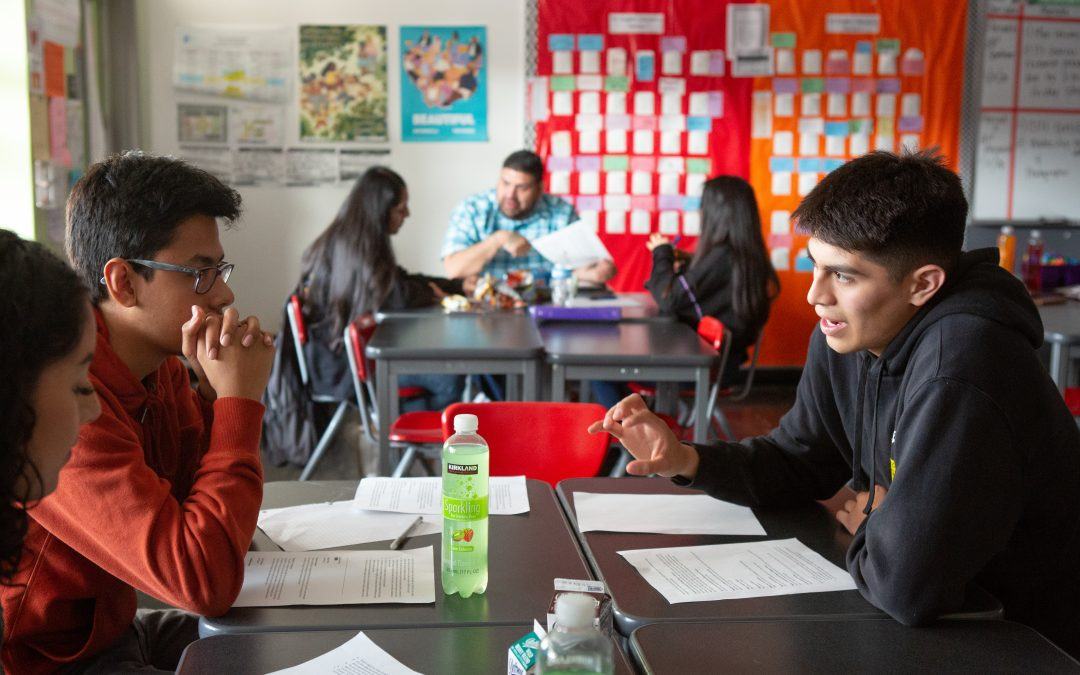
At the end of January 2023, reDesign began reviewing the dozens of applications we received for our 2023 Youth Advisory Council program. Together, they paint a picture of what students are seeing, hearing, and feeling about their schools and communities — and how to...
Underlying the quiet, but fatal erosion of democracy in our country is a stark reality – Americans have forgotten what democracy feels like. We need a new hub for civic education and democratic participation – why not schools? Read the full article below....
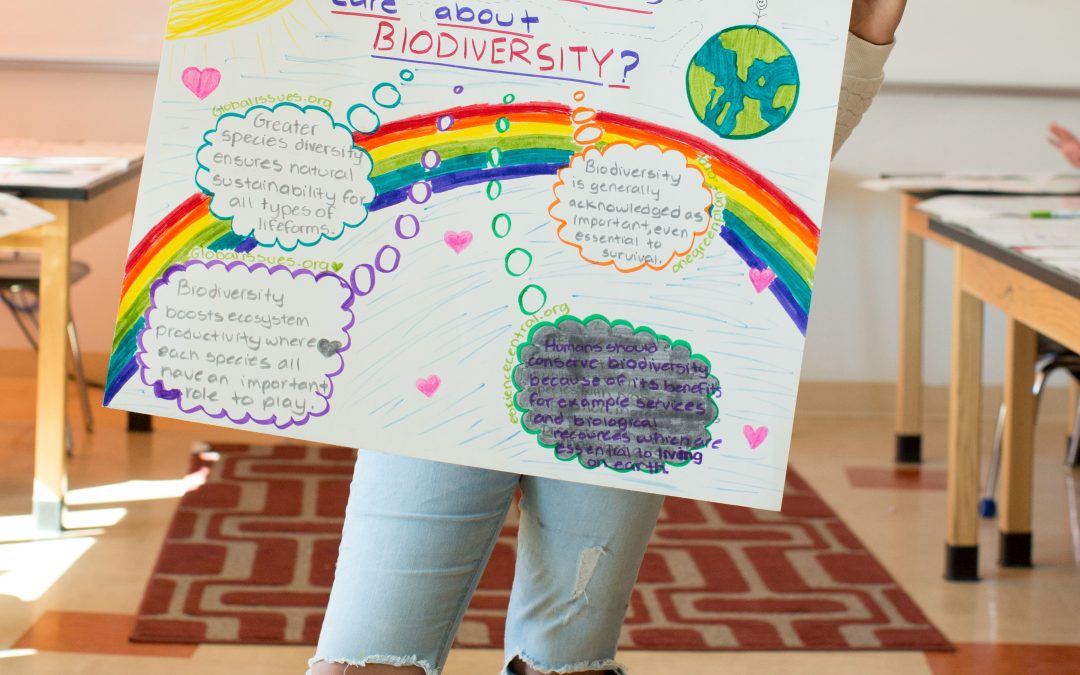
The frenzied competition to monetize our attention is actively undermining our students’ opportunities to practice high-level cognition and meaning-making in the classroom. More importantly, it’s demanding that we build a new mental image of what “learning” really...
The Melrose High School team identified 3 anchor questions: How can assessments best serve student learning? What do we want our students to leave with? How can students drive and discuss their learning? Guided by these, they developed an integrated approach to 21st century grading that fosters equity by: (1) Supporting students’ Habits of Learning, across the academic program (2) Increasing accuracy and transparency in grading; (3) Developing new policies for Retaking and Revising Assessments, and establishing a minimum grade of 50%; (4) Proactively communicating; (5) Explicitly nurturing student voice; and (6) Adopting universal design principles for efficient assessment-building within a flexible environment.
Revere High School
Revere High School identified three “rethinking” arenas: 1) Clarify what it means for students to be proficient; 2) Ensure alignment with standards and other frameworks; 3) Develop consistent practices for grade calculations, the use of rubrics, and grade reporting. The pilot team collaborated to design a prototype for a common grading table, category weights connected to power standards, and a plan to develop assessments tied to those standards-based learning targets. This approach sharpens the focus on student proficiency, takes gradebook construction out of the hands of teachers and considers every step of “the what” in a more comprehensive way.
Revere High School, Part 2 – Developing a Culture of Competency: 72% of the students who attend Revere High School are learning English. A number of them have struggled to pass the MCAS (state’ graduation exam), and have also experienced course failure. As an extension of their #RethinkingGrading efforts, the District is designing a customized and personalized graduation pathway, guided by a Profile of a Graduate. To ensure teachers can effectively support students, the district is partnering with reDesign to develop and facilitate professional learning experiences and modularized courses: a commitment to developing a culture of competency for both young people and the adults who serve them.
South Shore Tech
South Shore took a professional learning community approach to refining and implementing a range of school-wide shifts, designed to make grading more fair, accurate, and helpful.The Fellow designated to lead this project served in an administrator role, and helped the school community coalesce around four areas for change: 1) developing a competency-based grade scale, 2) directly linking all assignments and grades to standards; 3) instituting a universal late work policy; and 4) implementing a revision policy focused on relearning. Background knowledge-building, feasibility discussions that incorporated community input, and formalizing a plan for change were all part of the journey, with the recognition that the school would adjust the plan along the way. In Year 2, communication, transparency with all stakeholders, and continued education have been essential, as well as continued solicitation of feedback as assessments were developed that aligned with the rollout of the new grade scale. Ultimately, South Shore is not only rethinking grading – the school is also rethinking work habits, remediation, assessments, instruction, and curriculum.